
Executive Overview
Ventus Yacht Technical Services implements a structured engineering management model based on preventive strategy, system analytics and lifecycle optimization. Each vessel is treated as an integrated mechanical–electrical platform requiring continuous performance control rather than reactive repair.
Our methodology is rooted in reliability engineering, failure prevention and data-based technical assessment.
1. Systems Architecture & Technical Baseline
Every vessel is mapped and categorized into functional subsystems:
-
Propulsion systems (main engines, gearboxes, shafts, thrusters)
-
Power generation & distribution (generators, switchboards, UPS, battery banks)
-
HVAC & environmental control
-
Hydraulic & steering systems
-
Freshwater, greywater & blackwater systems
-
Navigation & communication electronics
-
Automation & monitoring systems
We establish a technical baseline including:
-
Equipment specifications
-
Operational hours tracking
-
Maintenance intervals
-
Manufacturer service requirements
-
Known failure modes (FMEA-based assessment)
This baseline becomes the reference model for ongoing technical control.

2. Preventive & Predictive Maintenance Engineering
Ventus does not rely solely on calendar-based servicing.
We implement:
-
Condition-based maintenance (CBM)
-
Vibration monitoring (where applicable)
-
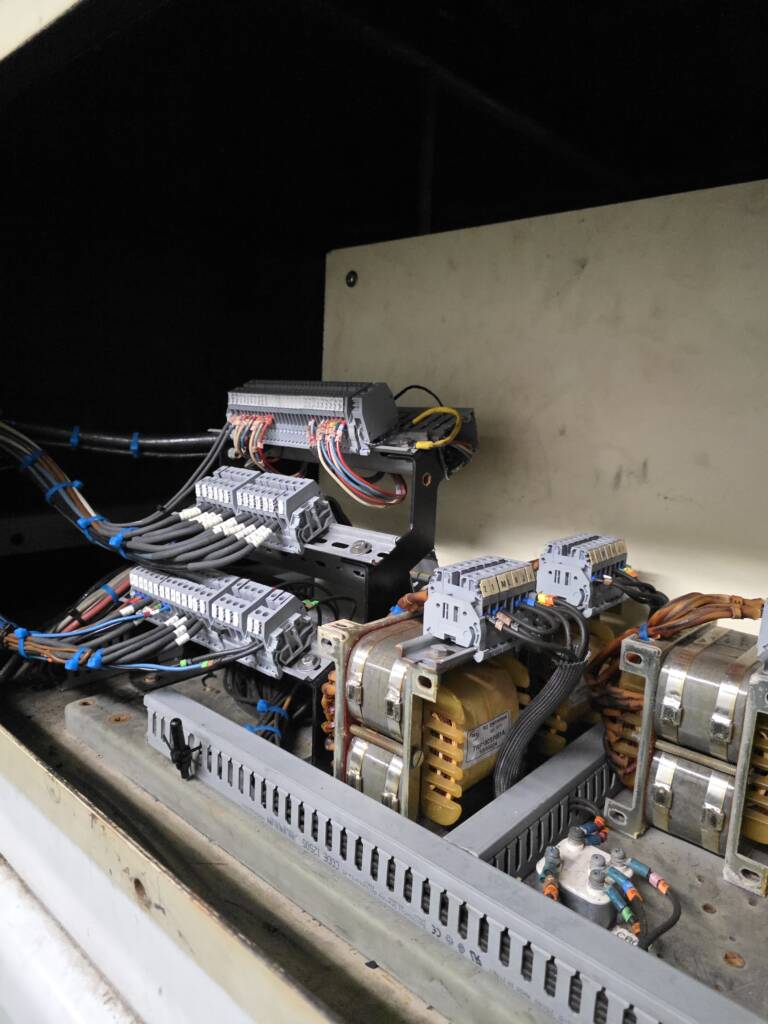
Thermal inspection for electrical panels
-
Oil analysis & lubricant condition tracking
-
Load performance benchmarking
Maintenance intervals are optimized according to real operating conditions, not generic manufacturer assumptions.
3. Reliability & Risk Engineering
We apply structured risk analysis methodologies:
-
Failure Mode and Effects Analysis (FMEA)
-
Root Cause Analysis (RCA)
-
Critical equipment classification
-
Redundancy verification
Key objectives:
-
Minimize Mean Time Between Failures (MTBF) reduction
-
Reduce unplanned downtime
-
Ensure operational redundancy in mission-critical systems
All incidents are documented, analyzed and integrated into the vessel’s technical knowledge base.
4. Energy Efficiency & Performance Monitoring
Operational efficiency is continuously assessed through:
-
Fuel consumption rate analysis
-
Generator load optimization
-
Electrical distribution balancing
-
HVAC performance calibration
-
Hydraulic pressure efficiency control
Performance deviations are identified early and corrected before escalating into mechanical stress or component failure.
5. Dry Dock & Technical Supervision
During refit or dry dock periods, Ventus provides:
-
Scope of work engineering review
-
Technical contractor supervision
-
Quality control inspections
-
System recommissioning verification
-
Post-refit performance validation
We ensure that technical interventions improve system reliability rather than introduce latent risk.
6. Documentation & Technical Governance
A structured documentation protocol is maintained including:
-
Maintenance logs
-
Spare parts tracking
-
Equipment lifecycle records
-
Compliance documentation
-
Technical audit reports
The objective is full traceability and technical transparency.
Ventus Yacht Technical Services applies structured reliability engineering principles across all critical marine systems.
Through preventive scheduling, condition monitoring and failure-mode analysis, we ensure system stability, measurable efficiency and predictable operational performance.
Engineering discipline — not reactive repair — defines our operational standard.

